

That gorgeous driveway you poured last spring? It can turn into a crumbling mess by April. Most folks blame salt and ice melt products, but the real trouble works invisibly beneath the surface. Water sneaks into concrete pores, freezes, expands, and cracks your slab from the inside out. Learning how to melt ice without damaging concrete saves you money and a whole lot of frustration when warmer weather rolls around.
Key Takeaways
- Freeze thaw cycles wreck concrete faster than de-icing chemicals alone
- New concrete under 12 months old shouldn't get any chemical ice melt treatments
- Concrete safe ice melt products rely on magnesium chloride or acetate-based formulas
- Dumping extra product doesn't speed up melting
- Removing meltwater and slush stops refreezing before it starts
Why Concrete Cracks During Winter
Concrete looks solid. It isn't. Microscopic pores and capillaries run throughout the material, and water finds these openings without much effort. Once temperatures drop below 32°F, that trapped moisture turns to ice and takes up about 9% more space than liquid water.
That expansion generates enormous pressure. We're talking forces that can exceed tens of thousands of pounds per square inch pushing against pore walls. Repeat this expansion and contraction enough times, and even quality concrete starts falling apart.
Fresh slabs face the worst odds. Why? Concrete less than one year old hasn't cured completely. The internal structure stays softer and more porous than mature material, leaving it wide open to winter punishment. Sand or kitty litter offers a smarter choice on new pours since both give you grip without triggering chemical reactions that speed up breakdown.
Older concrete handles winter stress more gracefully. Still, repeated freeze thaw cycles take their toll over time. You'll first notice scaling, where thin layers flake away like dead skin. Left alone, this flaking digs deeper with each passing winter until the aggregate underneath pokes through.
How Ice Melt Products Attack Concrete

Standard rock salt melts ice by lowering water's freezing point. Simple enough. Problems show up after melting occurs.
When temperatures bounce around the freezing mark, that salty meltwater refreezes over and over. Each cycle forces more expansion stress on the slab. Regular sodium chloride speeds up this destructive pattern because it creates larger puddles that seep into more pores before refreezing.
Cheap de-icers containing ammonium nitrate or ammonium sulfate? Even worse. These compounds attack calcium hydroxide within the cement paste, weakening the binding structure that holds everything together. Skip fertilizer-based products. They'll wreck your driveway faster than doing nothing at all.
Concrete scaling becomes visible when the top layer separates from material beneath. You'll notice rough patches at first. Then larger flakes break free. Heavy scaling leaves aggregate stones poking through like cobblestones, which means the slab needs repair or replacement.
How much you apply matters just as much as what you apply. Dumping excessive product creates concentrated brine solutions that penetrate deeper into porous material. The recommended range sits around 2-4 ounces per square yard for most conditions. A spreader distributes product evenly and prevents the chemical hotspots that accelerate wear.
Concrete Safe Ice Melt Products That Actually Work
Not all de-icers attack slabs equally. Chemical composition determines how aggressively products interact with cement, so picking the right formula counts. Here's how the main options stack up:
|
De-icer Type |
Low Temp Limit |
Concrete Safety |
Relative Cost |
|
Rock Salt |
15°F |
Poor |
Low |
|
Magnesium Chloride |
-13°F |
Good |
Medium |
|
Calcium Magnesium Acetate |
20°F |
Excellent |
High |
|
Calcium Chloride |
-25°F |
Moderate |
Medium-High |
Magnesium chloride tops most lists for surface safety. It generates less osmotic pressure against pore walls and leaves behind less white residue than sodium products, keeping treated areas looking cleaner throughout winter.
Calcium magnesium acetate delivers the gentlest performance of any commercial de-icer. Engineers created CMA to protect bridge decks and parking structures. It biodegrades and won't harm vegetation or waterways. Downside? Higher cost and slower action than chloride-based options.
Calcium chloride melts ice aggressively but requires careful application. When used at recommended rates, it's safer for mature concrete than rock salt. The exothermic reaction generates heat, which cuts down the number of refreeze cycles.
Products marketed as surface-safe formulations blend magnesium chloride with corrosion inhibitors and coating agents. These formulas work effectively when applied as directed and leave less residue than standard rock salt.
Application Strategies That Protect Your Pavement
Timing beats quantity. Treating your driveway before precipitation starts creates a barrier layer that stops ice formation at the concrete interface. You use less product and get stronger protection.
Before storms hit, apply a light coating 24-48 hours ahead of predicted snow. Liquid ice melter suits this job since it won't wash away like granules might. During accumulation, shovel first whenever possible. Removing bulk snow lets your de-icer attack the thin ice layer underneath rather than wasting energy melting through several inches of powder.
After treatment, wait 15-30 minutes for melting action, then remove slush before temperatures drop again. Pooled meltwater that refreezes overnight causes the repeated freezing and thawing that destroys concrete.
Recommendation:
Facing winter's chill? Brody Chemical Snow & Ice Melt products are designed to tackle icy conditions effectively. Whether you're dealing with sidewalks, driveways, or commercial spaces, our solutions ensure safety and reliability.
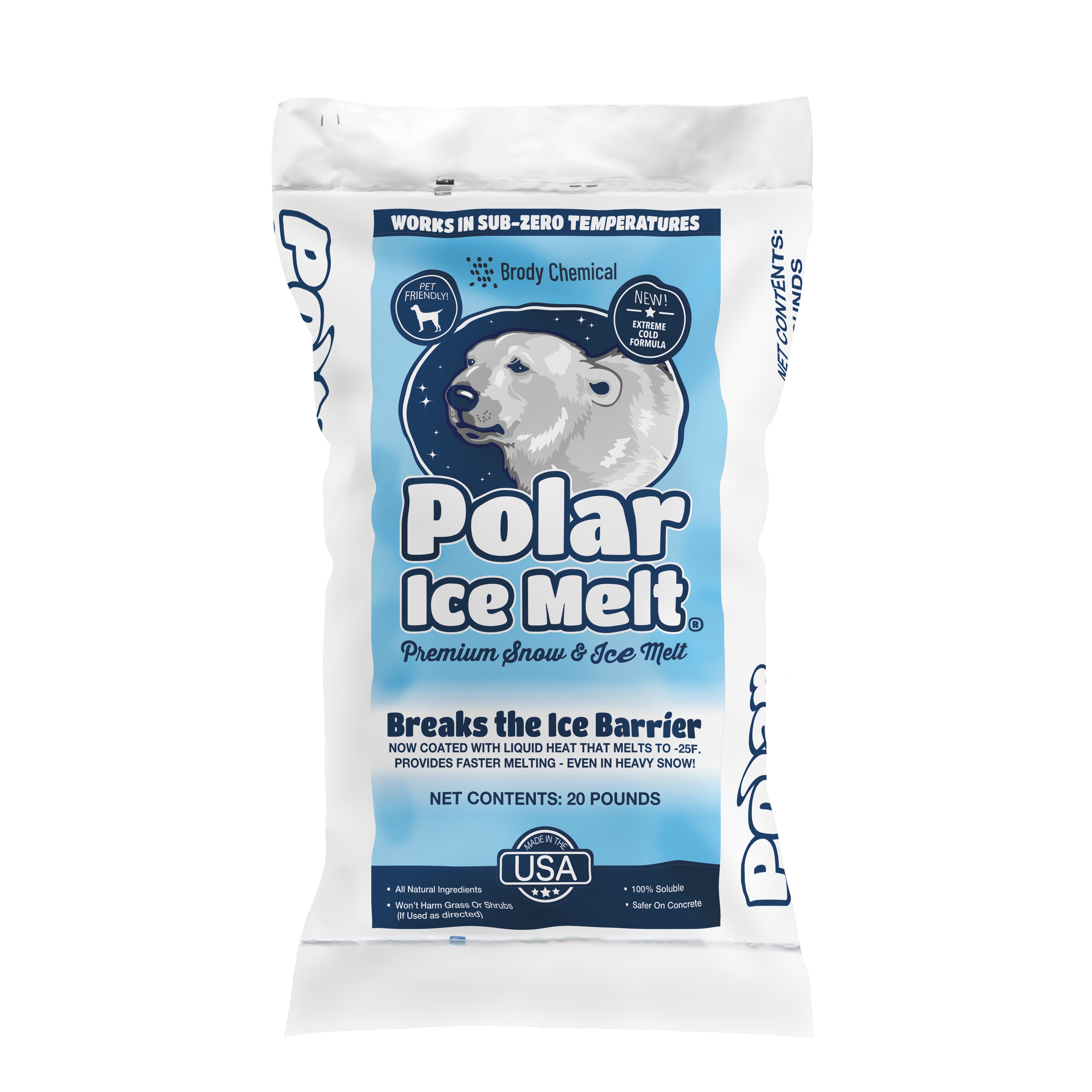
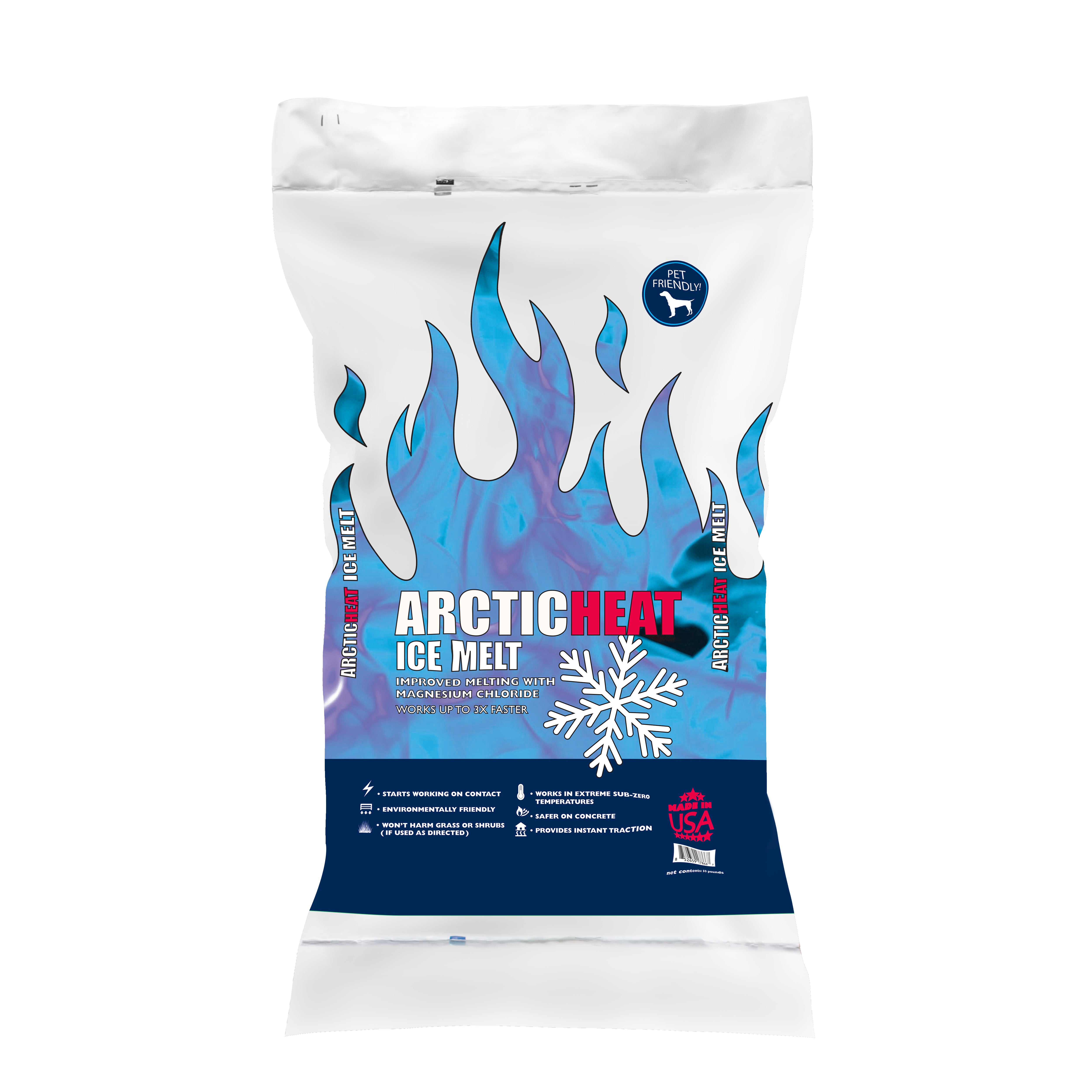
Spreading discipline separates smart property owners from those replacing driveways every few years. Go thin and even. You can always add more if needed. Heavy concentrations don't melt faster. They just push chemicals deeper into your slab.
Watch for salt shadows indicating where product pooled instead of spreading. These concentrated zones wear down faster than evenly treated areas. For larger properties, a broadcast spreader eliminates most distribution problems.
Other Ways to Beat Ice

Sand and fine gravel give you grip without any melting action. They're ideal for fresh concrete that shouldn't receive chemical treatments, and they handle temperatures far below what any de-icer can manage. Once spring arrives, sweep up the residue and reuse it next winter.
Heated driveway systems eliminate chemical concerns. Electric or hydronic heating cables installed beneath the slab keep concrete warm enough to prevent ice formation. Expensive to install? Absolutely. But operating costs stay reasonable in mild climates with moderate snowfall.
Mechanical removal handles most ice problems when you act promptly. Plastic shovels or rubber-edged snow pushers clear pavement without scraping. Metal tools gouge concrete, so avoid them unless ice has bonded so thoroughly that nothing else budges it.
Physical barriers like mats and walkway covers prevent accumulation in high-priority zones. Roll them away after storms, shake off the snow, and reposition for the next event. Entry points and steps benefit most since they see the heaviest foot traffic.
Dark-colored sealers absorb more solar radiation, helping daytime sun melt thin ice layers naturally. Applied before winter, quality concrete sealers also reduce moisture penetration into pores. Reapply every two to three years for continuous protection.
The Bigger Picture
Most property owners end up spending more on concrete replacement than they would've invested in concrete safe ice melt products from the start. Browse Brody Chemical's complete snow and ice management collection to match your climate with formulations designed to protect both people and pavement.
FAQ
Can I use rock salt on my driveway?
Rock salt speeds up concrete breakdown through repeated melting and refreezing. Stick to mature concrete over one year old, apply sparingly, and remove slush promptly.
What ice melt won't hurt concrete?
Magnesium chloride and calcium magnesium acetate products cause the least wear when used as directed. Look for products specifically labeled concrete-safe.
How soon after pouring concrete can I use ice melt?
Wait at least 12 months before applying any chemical de-icer. New concrete hasn't cured enough to resist the expansion forces that cause concrete scaling.
How does liquid de-icer compare to granular products for concrete?
Liquid de-icers applied before storms can reduce overall wear by preventing ice bonding. You'll also need fewer chemicals for removal when ice can't grip the slab.
How do I fix concrete scaling after winter?
Minor scaling can be repaired with resurfacing compounds. Severe cases exposing aggregate require partial or complete slab replacement.