

One icy patch. That's all it takes to shut down a loading dock for hours. Property managers learn this lesson fast when January storms blow through and liability concerns start piling up alongside the snow. Smart snow ice management solutions separate the facilities that stay open from those playing catch-up after every weather event.
Key Takeaways
- Applying de-icer before storms slashes labor costs and stops ice from bonding to pavement
- Match your chemistry to actual temperatures or you're wasting product
- Route planning cuts equipment hours while crews cover more ground
- Liquid treatments melt faster than granular options, perfect for high-traffic locations
Snow Removal Methods That Actually Work
Shoveling? Fine for your driveway at home. Commercial facilities need heavier artillery.
Mechanical clearing still does the heavy lifting in winter operations. Plows, pushers, and loaders knock out bulk snow fast. But here's the catch. They can't scrape down to bare pavement. That thin layer left behind turns into tomorrow's ice sheet without chemical backup. And that's exactly why effective snow removal methods pair mechanical muscle with the right de-icers.
Three approaches handle most situations. Mechanical clearing with plows and loaders tackles the bulk. Chemical treatment breaks bonds and prevents refreezing. Abrasives like sand give tires and feet something to grip when it's too cold for salt to work.
When does each one shine? Mechanical clearing dominates during active snowfall when accumulation outpaces melting. Chemical treatment works best before storms even arrive. Abrasives won't melt anything, but they'll keep people upright on packed snow where de-icers have given up.
Combining methods creates a backup that single approaches can't match. A parking lot treated with liquid de-icer before a storm plows way cleaner than an untreated one. The snow never gets a chance to grip the pavement. Less scraping, less blade wear, fewer passes. Those savings add up across every storm all season long.
Commercial Property Snow Removal Challenges
Shopping centers, office parks, industrial facilities. They face pressures residential properties never see. Foot traffic starts at 6 AM and runs past midnight. Loading docks need 24/7 access. And slip-and-fall lawsuits? They make proactive treatment non-negotiable.
Commercial property snow removal forces you to coordinate across wildly different ground types. Concrete sidewalks behave nothing like asphalt lots. Metal grating near dock plates creates its own weird drainage and freezing patterns. Building entrances need gentler products that won't track residue onto interior floors.
Timing becomes everything once business hours hit. You can't block a fire lane during peak customer traffic. You can't leave loading docks untreated when delivery trucks line up at dawn. These constraints push property managers to think three steps ahead about when and where crews work.
Recommendation:
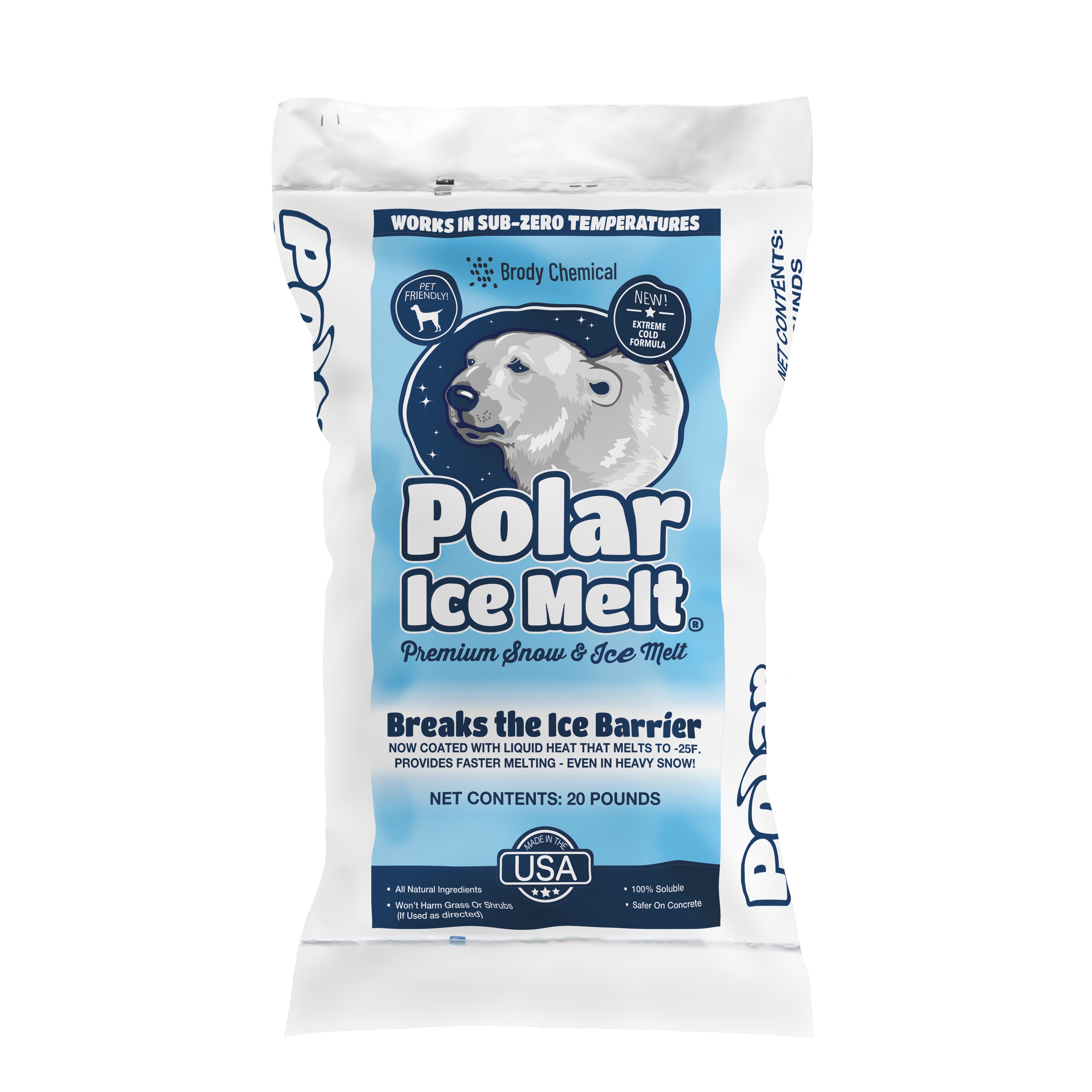
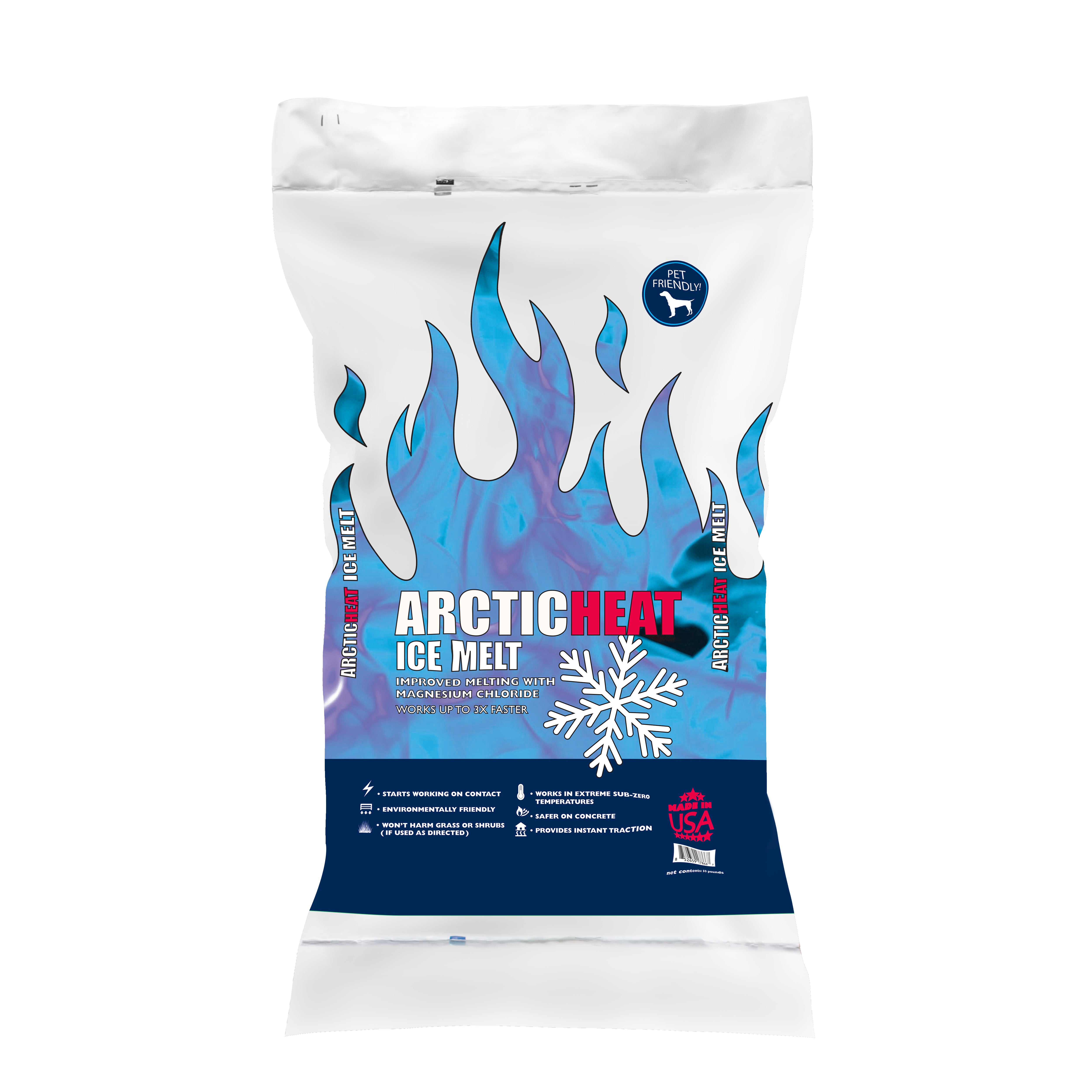
Facing winter's chill? Brody Chemical Snow & Ice Melt products are designed to tackle icy conditions effectively. Whether you're dealing with sidewalks, driveways, or commercial spaces, our solutions ensure safety and reliability.
Anti-icing flips the whole equation. Apply liquid de-icer before storms and you've created a barrier between pavement and precipitation. Plowing wraps up in half the usual time because everything lifts clean. No black ice forming overnight from residual moisture.
Products matter more than most people realize. Standard rock salt quits below 15°F, leaving pavement dangerously slick during cold snaps. Commercial operations benefit from choosing ice melt that matches their actual temperature conditions. Calcium chloride handles brutal cold. Magnesium chloride works great for moderate winters. Blended formulas cover unpredictable weather when forecasts keep changing.
Ever notice those blue-tinted granules? They're not decorative. Applicators can see exactly where product landed and gauge coverage at a glance. That visibility prevents over-application that wastes money and damages concrete. It also catches thin spots before someone slips.
Snow Plow Route Optimization Strategies

Equipment burns money when it's moving and when it's sitting idle. Fuel costs don't care about efficiency. Operator hours stack up during eight-hour storm events. All those expenses make snow plow route optimization worth your attention.
Planned routes turn random coverage into systematic territory management. Instead of plowing whatever looks worst, optimized paths guarantee complete coverage with minimal backtracking. Sometimes the difference between chaos and smooth operations comes down to having a map before the first flake falls.
Clearing Priority Sequence
Not every section of your property deserves equal urgency. Smart operators rank their territory and work through it systematically.
- Fire lanes and emergency exits get cleared first. Always.
- Main traffic arteries and building entrances come next.
- Primary parking lots follow once critical routes open.
- Overflow lots and low-traffic zones wait until everything else is serviceable.
This hierarchy keeps people safe while stretching limited equipment and crew hours.
Map everything during dry weather. Drive the property. Identify natural sequences that cut dead-heading, which means driving without the blade down. Look for progressions where one cleared section flows naturally into the next. These practice runs expose inefficiencies you'll never spot while fighting an active storm.
Push direction matters way more than most operators think. Plow toward designated snow storage rather than building random piles that need relocating later. Know your stacking zones ahead of time because running out of space mid-storm creates expensive headaches. Traffic patterns shift during storms too. Route timing should factor in employee arrivals, delivery schedules, and customer flow peaks.
Treated pavement cuts required plow passes by half or more. Ground that never bonded with snow clears faster and cleaner. Each run covers more territory. GPS tracking reveals where time actually goes versus where operators think it goes. That data exposes bottlenecks, unnecessary backtracking, and spots getting too many passes while others sit neglected. Smart snow ice management solutions combine route efficiency with the right chemistry.
Selecting De-Icers for Different Conditions
Temperature dictates what works. Grab the wrong product and you're basically spreading expensive gravel that accomplishes nothing.
De-Icer Temperature Performance
Different chemicals stop working at different temperatures. Knowing these limits prevents wasted product and dangerous conditions.
|
Product |
Effective Range |
Best For |
|
Sodium chloride |
32°F to 15°F |
Mild climates, budget-conscious operations |
|
Calcium chloride |
32°F to -25°F |
Extreme cold, rapid melting needs |
|
Magnesium chloride |
32°F to 0°F |
Sensitive landscaping, concrete protection |
|
Blended formulas |
32°F to -15°F |
Unpredictable weather, balanced performance |
Sodium chloride stays popular because it's cheap. Properties in milder climates can lean on rock salt for most events. The low price makes it attractive when temps cooperate.
Calcium chloride keeps working in brutal cold and actually generates heat as it dissolves. That exothermic reaction speeds melting and punches through thick ice layers. The downside? Higher cost per bag and tougher effects on certain materials. But when temps drop into single digits, calcium chloride earns every penny of its premium
Magnesium chloride splits the difference with gentler characteristics. Property managers like it near landscaping and on concrete that's prone to spalling.
Blended products mix multiple ingredients for wider performance windows. A bag of sodium chloride boosted with calcium chloride pellets costs less than pure calcium chloride but outperforms straight rock salt. Brody Chemical offers snow and ice melt products for various conditions.
Want to minimize environmental impact? Acetate-based and organic formulas protect nearby plants and reduce chloride runoff. Performance in extreme cold falls short of chloride products. But moderate winters present fewer tradeoffs between effectiveness and eco-responsibility.
Making Snow Removal Methods More Efficient
Efficiency goes beyond speed. It's smart resource allocation that cuts waste, equipment wear, and labor hours without sacrificing results.
Treating ahead of storms converts reactive scrambling into methodical preparation. Hit pavement before snow arrives and cleanup wraps up twice as fast. Liquid applications dry quickly. They won't blow away before precipitation starts. This single change delivers the biggest ROI for most winter maintenance budgets.
Application rates need calibration. More product doesn't mean faster melting. It means excess tracking into buildings, pooling in drains, or damaging concrete. Dial in your spreader settings to manufacturer specs.
Storage affects performance more than you'd expect. Calcium chloride pulls moisture from the air and clumps into unusable chunks if stored wrong. Sealed containers in dry locations keep the product working all season.
Equipment maintenance extends your operational window. Spreaders with corroded hoppers distribute product unevenly. Worn plow blades leave more snow behind with every run.
Crew training closes gaps that equipment alone can't fix. Operators who understand why methods vary by condition apply products more strategically. Effective snow ice management solutions depend on people knowing what to do and when to do it.
FAQ
When should liquid de-icer go down before a storm?
Apply anywhere from 2-48 hours before precipitation hits. Product needs time to dry onto pavement. Earlier beats last-minute scrambling every time.
Does treated salt outperform straight rock salt?
Treated salt blends sodium chloride with liquid boosters for better low-temp performance. You'll see melting continue at temps where plain rock salt gives up.
How do I figure out de-icer quantities for my property
Measure your total square footage that needs treatment. Check manufacturer coverage rates per pound. Factor in expected temps and precipitation intensity.
What's the difference between anti-icing and de-icing?
Anti-icing means applying product before precipitation to prevent bonding. De-icing refers to reactive treatment after ice already formed. Anti-icing typically uses less product and works better.
Can liquids replace granular products completely?
Liquids excel at preventive applications and light accumulation. Heavy ice buildup still needs granular products for penetration. Most operations use both strategically.