

Winter storms don't wait for convenient timing, and neither should your de-icing plan. Property managers and homeowners asking what melts ice the fastest need answers that account for temperature swings, surface types, and environmental concerns. Calcium chloride leads the pack for raw speed, but the full picture involves trade-offs between cost, safety, and conditions on the ground.
Key Takeaways
- Calcium chloride melts ice faster than any other common de-icer, working down to -20°F
- Standard rock salt loses effectiveness below 15-20°F and struggles badly in extreme cold
- Liquid de-icers start working immediately because they skip the dissolution step
- Eco-friendly formulas trade some speed for reduced environmental impact
- Pre-treatment applications outperform reactive spreading after ice forms
How Different Chemicals Attack Ice
Ice melting happens through freezing point depression. When a chemical dissolves in water, it disrupts the molecular structure that creates ice crystals. The stronger this disruption, the lower temperatures at which melting occurs.
Calcium chloride stands apart because it generates heat as it dissolves. This exothermic reaction accelerates melting on contact and explains why calcium chloride outpaces nearly everything else when asking what melts ice the fastest in brutal conditions. Watch a handful of pellets hit a frozen sidewalk and you'll see them bore into the ice within three minutes flat.
Sodium chloride works differently. Your standard rock salt relies on pure freezing point depression without any heat boost, so it needs existing moisture to form brine before melting begins. Scatter rock salt on dry, frigid pavement and nothing happens because the granules just sit there waiting for humidity.
Magnesium chloride falls between these two performers. It generates modest heat and attracts moisture from the air, giving it an edge over rock salt in drier conditions. Many professional blends combine magnesium with other compounds for balanced performance.
Temperature Limitations and When Salt Stops Working
Every de-icer hits a wall at some point, and knowing where that wall sits prevents wasted product and dangerous conditions. Standard sodium chloride struggles once temps fall below 20°F and becomes nearly useless around 15°F. Learning when salt stops working saves money and keeps surfaces safer during cold snaps.
|
De-Icer Type |
Effective Range |
Melting Speed |
Best Application |
|
Rock Salt |
Down to 15°F |
Slow to moderate |
Budget-conscious, mild climates |
|
Calcium Chloride |
Down to -20°F |
Very fast |
Extreme cold, emergency response |
|
Magnesium Chloride |
Down to -13°F |
Fast |
Cold regions, surface protection |
|
Potassium Chloride |
Down to 12°F |
Slow |
Fertilizer-adjacent areas |
|
Blended Products |
Varies by formula |
Fast |
General commercial use |
That 15°F threshold catches many facility supervisors off guard. A maintenance crew in Minneapolis might dump twice as much rock salt on a 10°F morning and watch nothing happen. The chemistry simply fails below certain temperatures, and ice wins regardless of application rates.
What Type of Salt Melts Ice the Fastest?
Pure calcium chloride takes the crown when speed matters most. Within three minutes of contact, visible melting begins even at sub-zero temperatures. The exothermic reaction generates warmth that softens ice while the chemical works, creating a one-two punch that other salts cannot replicate.
Sodium chloride ranks last among common salts for pure speed because it lacks that heat-generating reaction. Rock salt needs twenty minutes or more to show results at 25°F, and dropping temps into the teens stretches that timeline to an hour or more. Sometimes melting never happens at all.
Magnesium chloride splits the difference between these two options. Faster than rock salt yet gentler than calcium chloride, it appeals to maintenance teams dealing with concrete damage. Magnesium blends reduce surface deterioration while still delivering respectable melt times.
What type of salt melts ice the fastest also depends on form factor. Flakes and pellets dissolve quicker than coarse crystals because they expose more surface area to moisture. Liquid formulations win outright since dissolution already happened before application hits the pavement.
Recommendation:
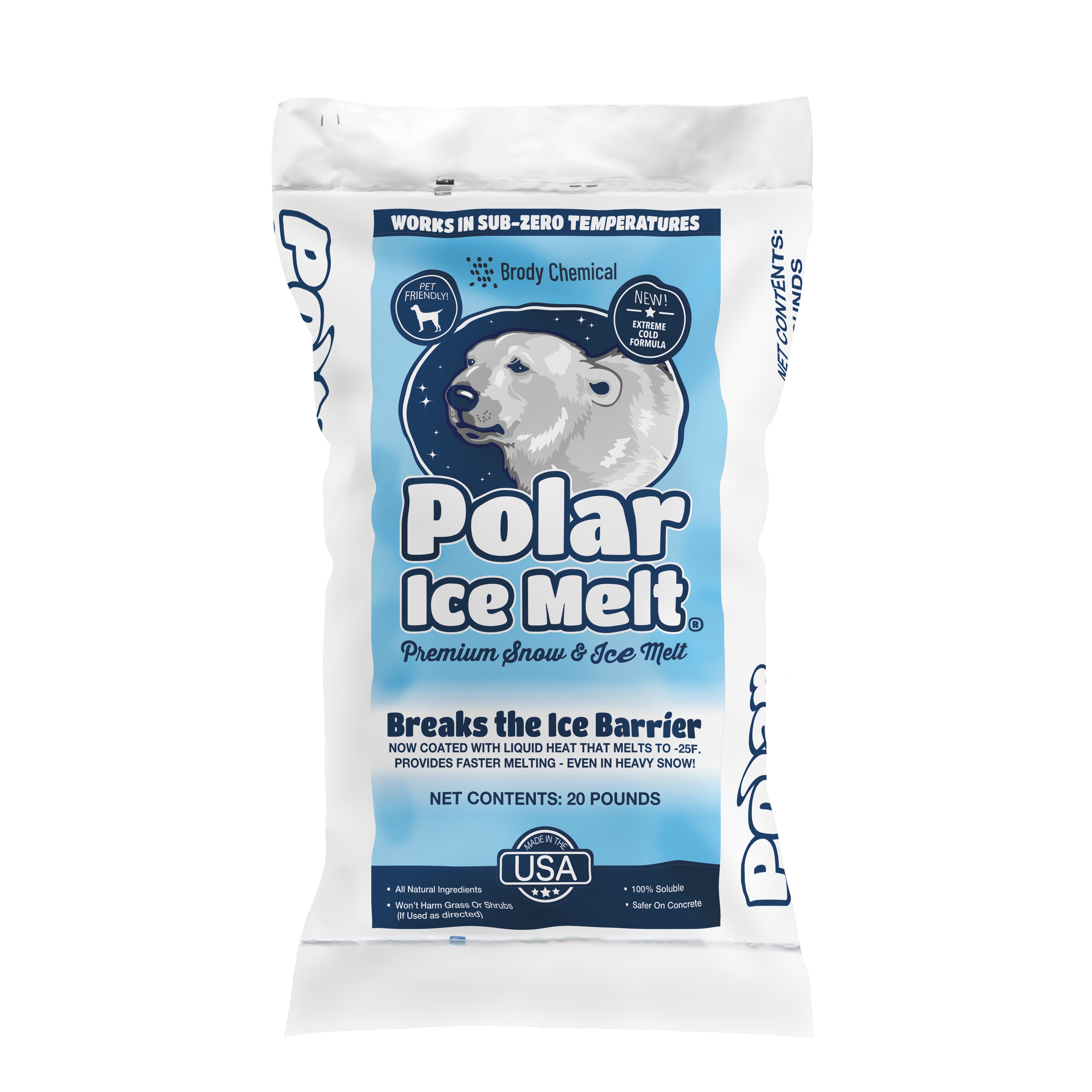
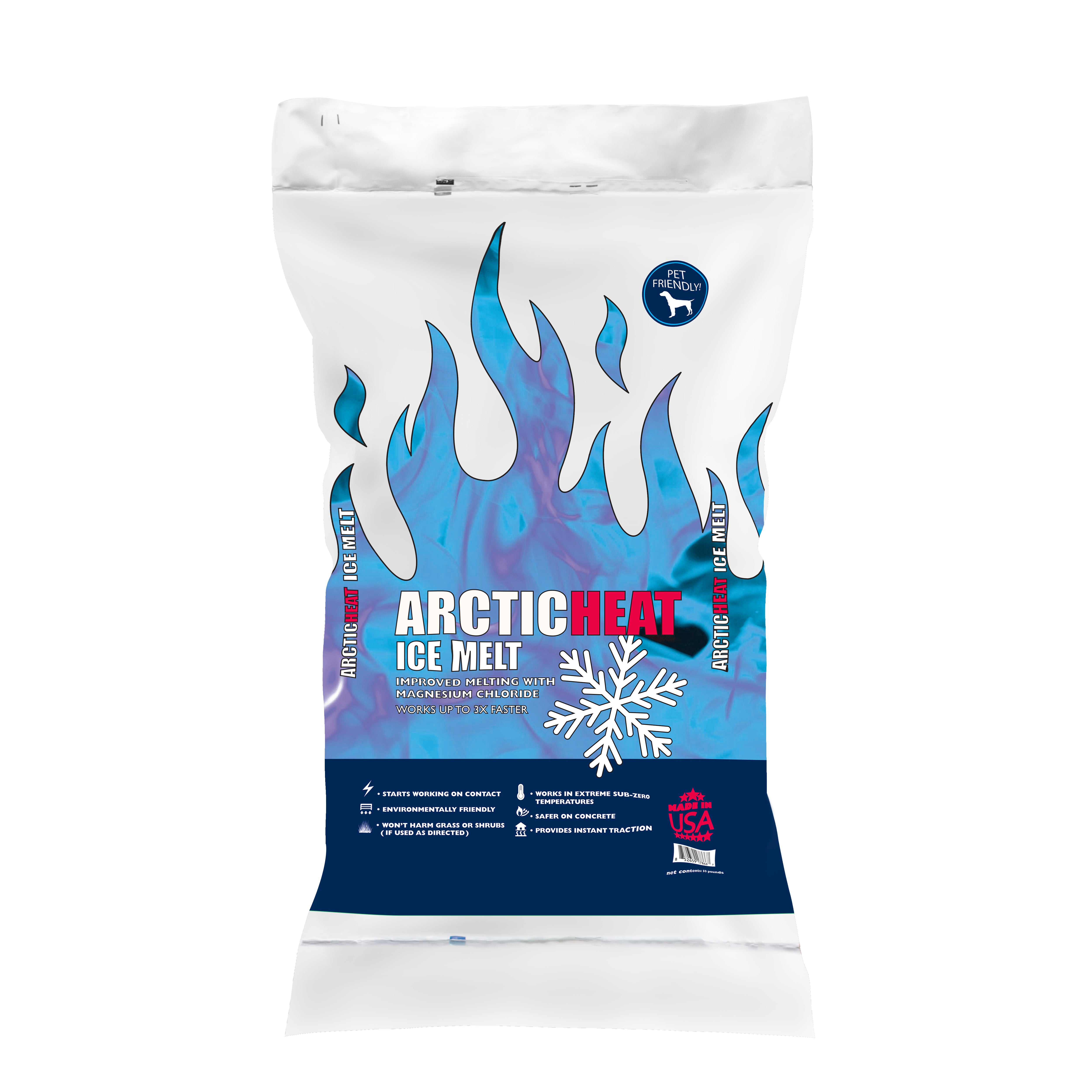
Facing winter's chill? Brody Chemical Snow & Ice Melt products are designed to tackle icy conditions effectively. Whether you're dealing with sidewalks, driveways, or commercial spaces, our solutions ensure safety and reliability.
Liquid vs. Granular Products
Granular de-icers need moisture to activate, and this requirement creates a frustrating delay during emergencies. Pellets sit on dry pavement doing nothing until they attract enough humidity or traffic grinds them into existing ice. This lag time costs precious minutes during morning rush when employees and customers need safe walkways immediately.
Liquid applications skip that waiting period entirely. Professional ice melt solutions hit the surface ready to work without dissolution requirements. Contact triggers immediate action, which explains why airports and highway departments switched to liquid pre-treatment programs years ago.
Pre-treatment with liquids creates an anti-icing barrier that prevents snow from bonding to pavement in the first place. Storm cleanup becomes far easier when ice never gets a foothold. Facility managers who spray parking lots before predicted weather events use less product overall while maintaining safer surfaces than reactive spreading can achieve.
Liquids do require specialized equipment, though. Spray tanks and calibrated nozzles cost more than a shovel and a bag of rock salt. For large commercial properties handling hundreds of thousands of square feet, the investment pays off within a single season. Residential users typically stick with granular products for simplicity.
Environmental Trade-offs with Faster Products

Speed comes with consequences that responsible property managers cannot ignore. Calcium chloride melts ice faster than anything else but concentrates chloride ions in soil and waterways with every application. Heavy use near landscaping kills vegetation over time, and runoff damages aquatic ecosystems downstream.
Traditional rock salt causes similar problems at slower rates. Chloride accumulation builds over seasons until soil can no longer support plant life along treated walkways and parking areas.
Hotels, hospitals, and properties near sensitive ecosystems need alternatives that balance performance with responsibility. ECO melt formulations use acetate-based chemistry or organic compounds that biodegrade rather than persist. Calcium magnesium acetate breaks down like natural organic matter, which explains why airports rely on it to protect aircraft and surrounding wetlands from chloride contamination.
The speed penalty exists but stays manageable for most applications. Environmentally safe ice melt products take slightly longer to work than calcium chloride under equivalent conditions, but the difference often amounts to just a few extra minutes. That wait seems reasonable when the alternative involves dead landscaping and polluted groundwater. Pet safety factors in too since chloride-based de-icers irritate paws and cause digestive issues if dogs ingest residue during grooming.
Real-World Performance Factors
Laboratory tests show one thing while actual parking lots show another. Several variables affect how any de-icer performs once it leaves the bag, and experienced maintenance crews account for these factors when planning applications.
Traffic accelerates melting because tires crush granules and spread brine across surfaces while friction generates heat. A busy entrance clears faster than a seldom-used side walkway even with identical treatment rates.
Sun exposure matters more than many realize. Dark asphalt absorbs solar radiation and warms several degrees above air temperature on sunny days, helping de-icers work faster. Shaded areas stay colder and need more aggressive treatment. A north-facing loading dock might require calcium chloride while a sun-drenched front entrance clears fine with basic rock salt.
Wind steals heat from pavement and blows loose granules away before they activate. Application timing makes or breaks results too. Pre-treatment before precipitation prevents bonding while reactive application after ice forms requires more product and longer wait times.
Choosing the Right Product for Your Conditions
Match your de-icer to your actual winter conditions rather than worst-case scenarios. Properties in mild climates overpay for calcium chloride they rarely need, while northern facilities that rely solely on rock salt face repeated failures during January cold snaps.
Blend strategies work well for most commercial applications. Keep calcium chloride on hand for emergency spot treatment during extreme cold. Stock treated rock salt or magnesium blends for standard operations. Reserve eco-friendly products for areas near sensitive vegetation or water features.
Storage deserves attention since calcium and magnesium chlorides absorb moisture aggressively from surrounding air. Unsealed bags turn into solid blocks by mid-season. Dry, covered storage preserves product effectiveness across multiple winters.
The Bottom Line

Speed alone never tells the whole story. The smartest winter programs match products to specific zones with fast-acting calcium chloride at high-traffic entrances, gentler eco-formulas near landscaping, and cost-effective blends for secondary areas. Winning against ice means thinking ahead rather than reaching for whatever bag sits closest to the door.
FAQ
What household item melts ice the fastest?
Rubbing alcohol mixed with dish soap works in emergencies but damages surfaces with repeated use. Commercial de-icers remain the safest option for regular winter maintenance.
Does hot water melt ice faster than salt?
Hot water melts ice instantly but refreezes quickly, often creating worse conditions than before. Salt provides lasting protection that hot water cannot match.
Can I mix different de-icers for better results?
Pre-blended commercial products already optimize chemical combinations. Mixing different products yourself risks unpredictable reactions and wasted material.
How much ice melt should I use per square foot?
Most products recommend 2-4 ounces per square yard. Over-application wastes money, damages surfaces, and harms vegetation without improving results.
Why does my ice melt stop working in extreme cold?
Standard rock salt quits below 15°F. Switch to calcium chloride or magnesium chloride formulations when temperatures drop into single digits.